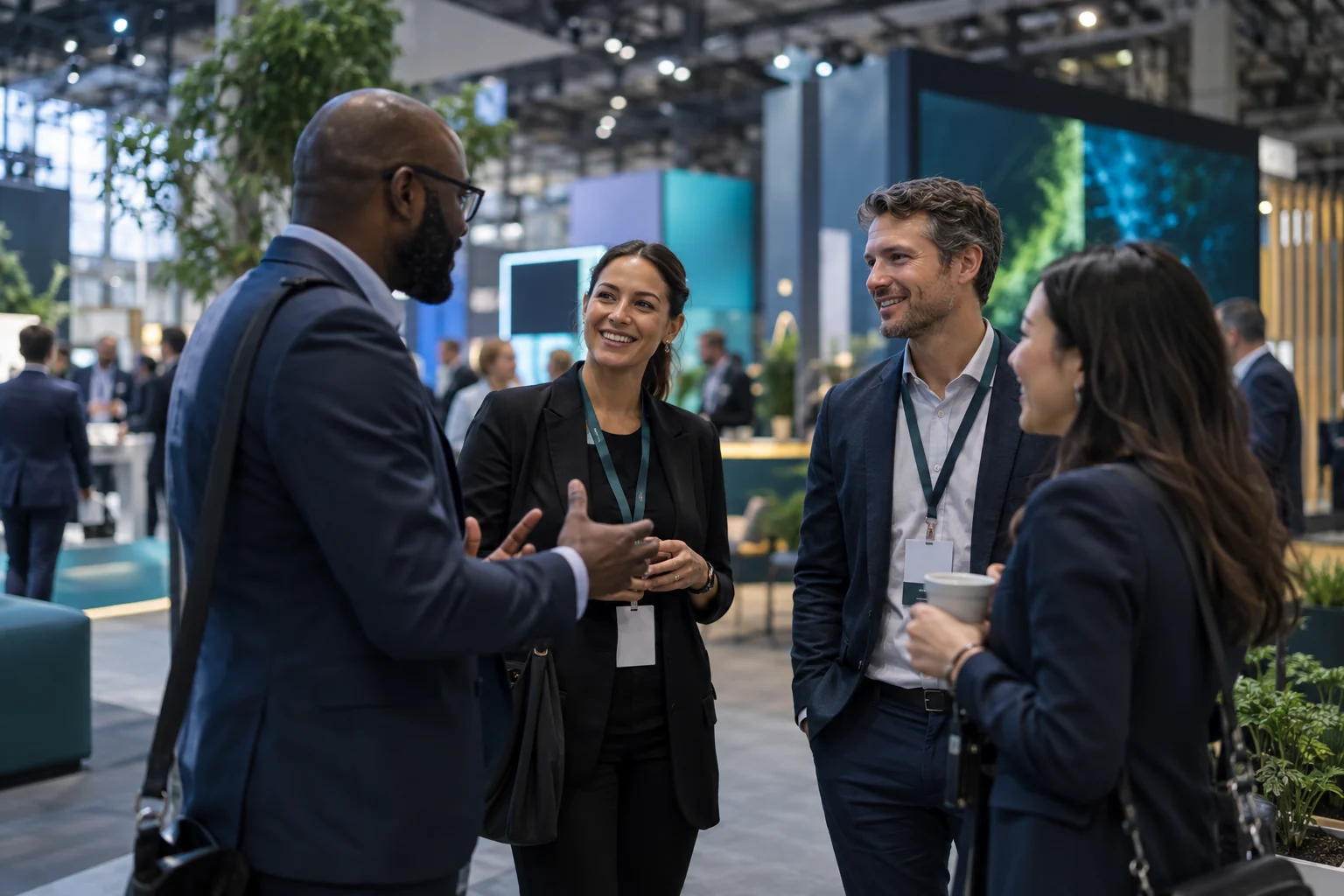
Across the Middle East, Africa, and Turkey (META), B2B demand generation rarely fails because of weak top-of-funnel messaging. It stalls when regional campaigns generate leads that local distributors, system integrators, and resellers are not equipped to qualify, price, and close.
Channel-first demand generation solves this by treating partner capability (technical readiness, localized sales enablement, and shared CRM follow-up) as the prerequisite for media spend, rather than an afterthought.
Why central demand gen playbooks break down across META
Global B2B marketing frameworks are frequently designed for homogeneous, direct-sales markets, where a central marketing automation engine hands leads straight to an inside sales team. Operating across META introduces a very different commercial reality:
- Partner-mediated fulfillment. In industrial technology, building automation, security, and enterprise infrastructure, end customers frequently buy through regional distributors, EPC contractors, and certified system integrators, rather than direct e-commerce or a single-step sales motion.
- Sub-regional market diversity. A value proposition that resonates with a sovereign cloud or hyperscale data center buyer in the Gulf looks very different from the total-cost-of-ownership, power reliability, and local service-level priorities of an enterprise buyer in North or Sub-Saharan Africa.
- Long, committee-driven buying cycles. Multiple technical and commercial stakeholders evaluate compliance, local support, and lifecycle cost before any purchase order is issued.
When regional marketing teams optimize purely for raw lead volume or low cost-per-lead (CPL), they often celebrate high MQL counts while channel sales teams complain that leads are unready, misrouted, or stalled in follow-up limbo.
Working across Gulf, Turkish, and African events, I have seen the same pattern more than once. A campaign that looks strong at a Gulf exhibition can still disappoint if the same assets and follow-up model are reused without change in Turkey or in East or West Africa. The buying committee, local service expectations, and partner coverage are not the same. Badge scans do not travel well across those differences unless a named owner is ready to follow up within a couple of days. That is a qualitative observation from multi-country programmes I have worked on, not a claim about any one employer's pipeline.
Four pillars of channel-first demand generation
In my experience bridging consumer-grade retail execution and complex B2B industrial ecosystems, sustainable regional pipeline depends on connecting four operational disciplines before scaling campaign budgets.
1. Assess partner readiness before launching co-marketing
A campaign with a partner who lacks technical pre-sales capacity, updated product battlecards, or dedicated follow-up ownership will burn Market Development Funds (MDF) without building pipeline. Before approving joint demand generation programs, marketing and channel sales should jointly verify:
- Segment fit. Does the partner already have credible access to the target vertical (for example hospitality, aviation, healthcare, data centers, or commercial real estate)?
- Technical enablement. Can partner engineers and sales reps articulate the solution's differentiation and answer common buyer objections?
- Lead-handling SLA. Who contacts an inbound inquiry, within what timeframe, and how is status fed back into CRM?
2. Localize the proof, not just the language
Effective META localization goes well beyond translating a global brochure into Arabic, French, or Turkish. Decision-makers want proof that a solution works under local regulatory, environmental, and commercial conditions.
Practical localization means equipping partners with:
- Vertical-specific value messaging (compliance, energy efficiency, uptime certainty, or lifecycle ROI).
- Modular sales battlecards and product launch kits that partners can co-brand and deploy immediately after an event or webinar.
- Clear pre-event and post-event cadences so major exhibitions convert booth conversations into scheduled technical assessments, rather than unworked badge scans.
I learned a version of this earlier in consumer retail. At Beko, we rolled out 200+ premium brand stores and shop-in-shops with retail partners in Egypt, a figure I already publish on my site. Digital campaigns could create interest, but conversion still depended on whether the store team, merchandising, and offer were actually ready on the floor. Partner capability was the constraint, not the media plan.
3. Replace "cheap CPL" with pipeline-accountable attribution
A low cost-per-lead can easily hide a high cost-per-qualified-opportunity if campaigns attract non-buying researchers or accounts you cannot serve. To move conversations with sales and finance leadership from activity volume to return on marketing investment (ROMI):
- Standardize campaign taxonomy. Enforce consistent naming conventions, lead-source definitions, and opportunity-stage mappings across every sub-region so marketing, sales, and finance measure the same funnel.
- Track post-handoff velocity. Measure MQL-to-SAL acceptance rate, partner follow-up speed, opportunity progression, and win rates, not only impressions or form fills.
- Reallocate toward proven traction. Put paid amplification behind themes, events, and partner tiers that demonstrably move opportunities forward.
In programmes I have run, once lead-handling and localization are in place, partner-sourced pipeline typically improves in the range of 20-30% over a subsequent campaign cycle compared with a volume-led approach. Treat that as an experience-based planning range, not an audited company result, and set your own baseline before you use it as a target.
4. Make MDF governance faster, not heavier
Partner marketing teams often get bogged down in manual proof-of-execution spreadsheets that frustrate partners and delay reimbursements. Combining clear eligibility rules with structured digital templates, and, where appropriate, automated validation workflows, cuts administrative friction while protecting compliance and spend transparency.
A pre-campaign checklist for regional B2B teams
Before committing budget to your next multi-market campaign or regional trade show across META, confirm five questions with channel sales and partner leads:
- Have we named the exact target accounts or vertical segments, not just a country?
- Is every participating partner equipped with localized battlecards and clear offer positioning?
- Are CRM campaign codes and lead-routing rules tested end-to-end before launch day?
- Do we have an agreed 48-hour post-engagement follow-up owner for every qualified lead?
- Are we evaluating success by pipeline contribution and payback period, rather than cost per click or badge count?
Sources & data notes
Published on 21 November 2026. This analysis reflects practitioner experience across META B2B channel programmes and consumer retail execution rather than external third-party surveys.
Beko Egypt retail rollout (200+ brand stores and shop-in-shops): Previously published on this portfolio site reflecting retail expansion executed with partners in Egypt.
Partner-sourced pipeline planning range (20-30%): An experience-based planning estimate across a subsequent campaign cycle once lead-handling and localization are in place, not an audited company result.
Scope note: Multi-country event and channel observations are qualitative lessons from programmes worked on; no confidential employer pipeline figures are disclosed.
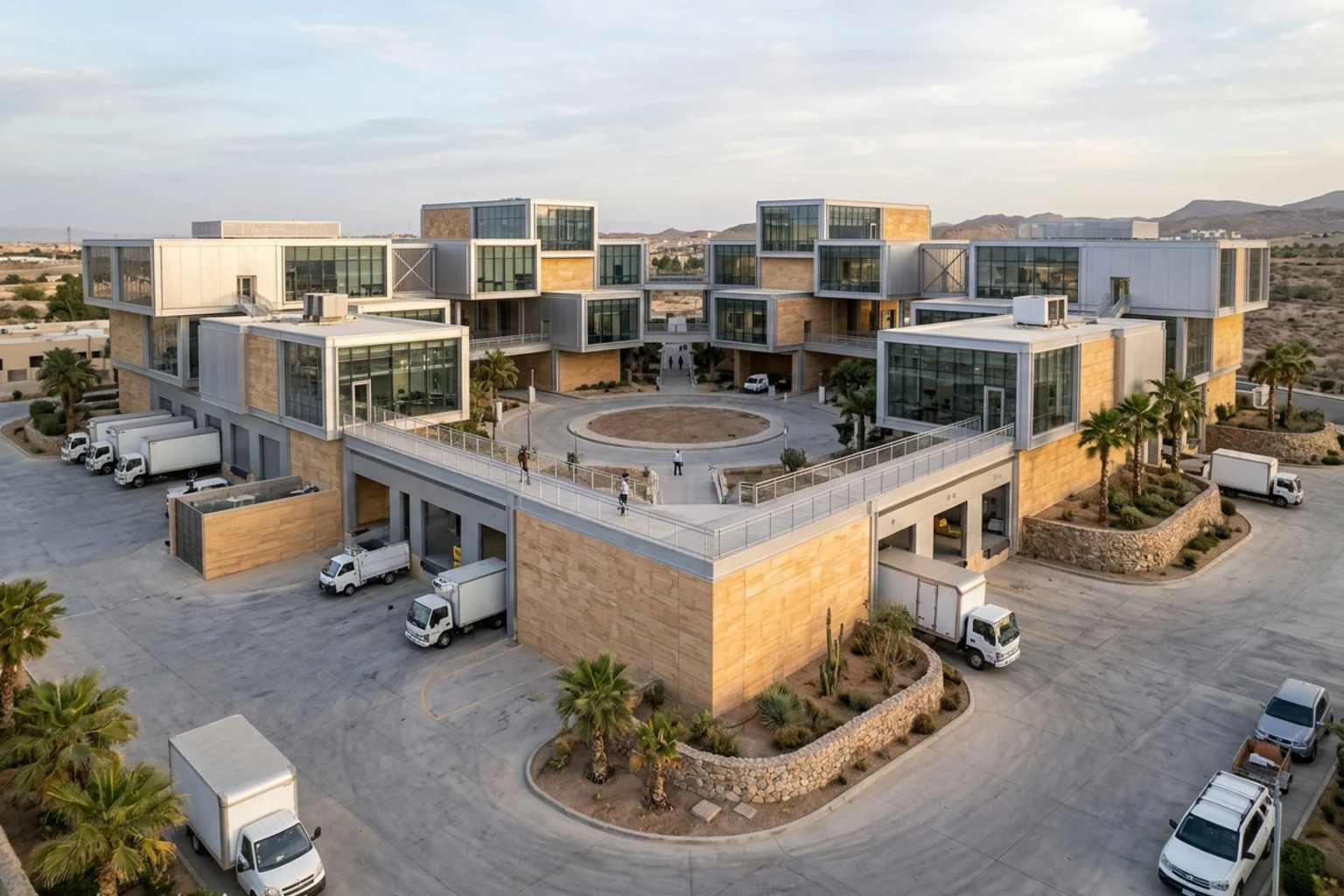
Banner: AI-generated conceptual illustration, not a photograph of a named facility.

About the perspective
Khaled Nasr MBA is a Regional Customer Marketing Manager at Honeywell Building Automation for the Middle East, Africa, and Turkey (META), specializing in B2B demand generation, channel and partner ecosystems, go-to-market strategy, and marketing technology. Previously, he led retail marketing and marketing communications at Beko Global in Egypt and began his career as a civil engineer and project manager.
Views are my own and do not represent official positions or endorsements by Honeywell.
Explore Khaled’s experience ↗