
What should a 360-degree product or factory launch campaign include?
Pre-launch: build readiness before anticipation
A proposed factory or product launch should begin with a verified story, stakeholder map and operational readiness review. Decide what can be announced, who approves the facts and what each audience needs to understand. Prepare spokesperson briefings, media materials, a landing page and an invitation plan. Align sales and partners before publicity begins. A teaser campaign is useful only if the business can answer the questions it creates.
Launch: organise one coherent experience
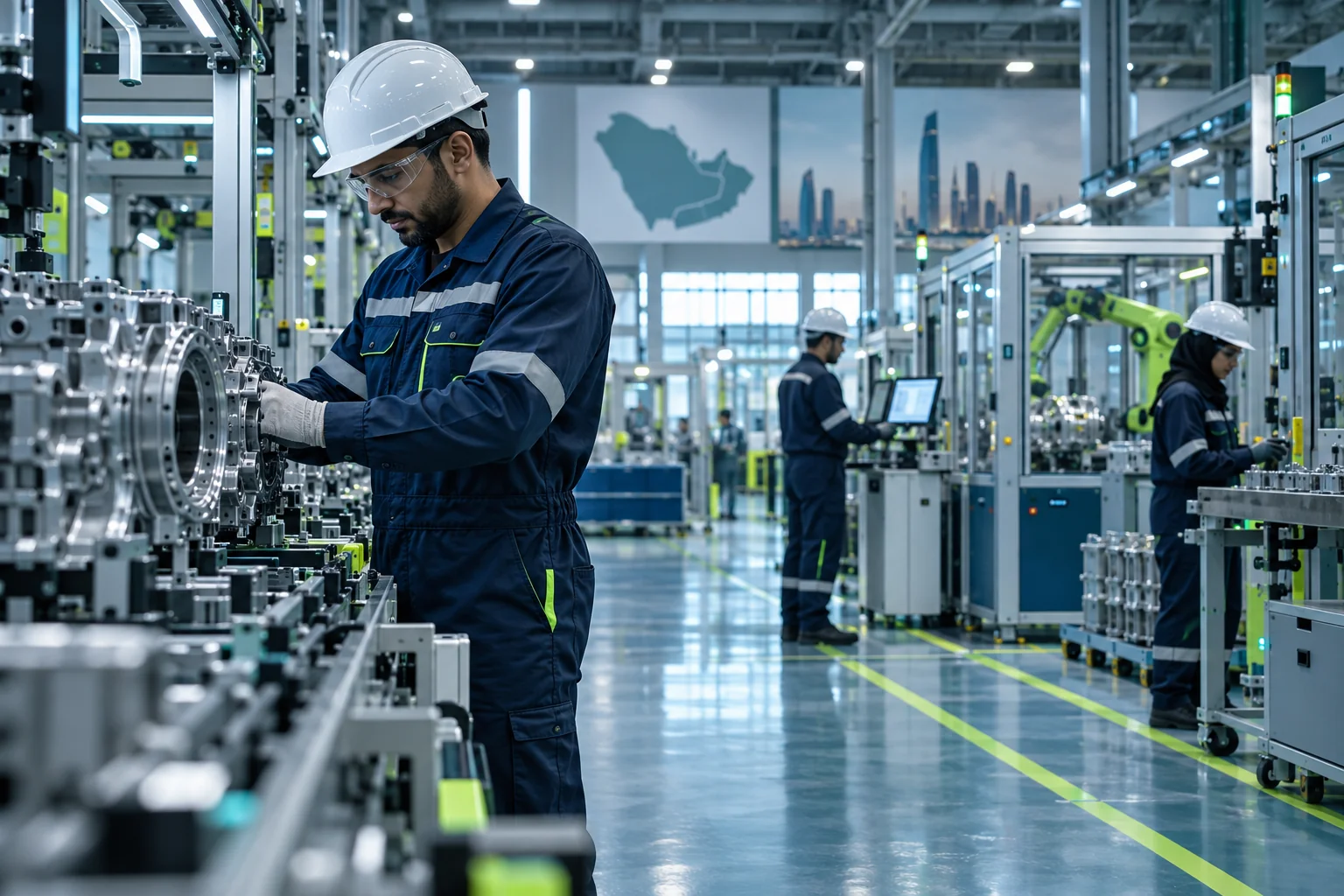
For an illustrative factory ceremony followed by a hotel gathering, treat both venues as parts of one narrative. The factory visit can demonstrate capability through a safe, planned route; the evening gathering can support discussion with partners and other stakeholders. Agree responsibilities for guest registration, transport, production, press interviews and content capture. Accessibility, contingency planning and clear event ownership deserve the same attention as the stage design. No specific venue or completed event is claimed here.
Post-launch: turn attention into follow-through
Prepare the post-event sequence before opening day: approved imagery, press follow-up, selected video edits, partner materials and sales outreach. Record enquiries and give each an owner. JSA’s event guidance supports maintaining communication before and after an event; this factory framework is my proposed application. Evaluate media quality and relevant conversations separately from orders. Keep investment, production capacity and export statements tied to approved sources rather than converting them into claims of marketing impact.
Sources & further reading
Sources support the definitions and background identified in the text. The planning recommendations are personal analysis; illustrative scenarios are not claims of completed work or measured results.